

Service Description
How to sound proof a room
The main purpose of sound insulation is to reduce the sounds that come from the outside. The noisy neighbors, the repairs or constructions in the area, the noise of the cars or the children in front of the building are just some of the reasons why our sleep is ruthlessly interrupted.
The noises, although of a small intensity, can ruin a quiet evening, or add extra special effects to the movie you are watching. Anyway we describe and present them, these sounds often disturb us, get us tired and annoy us. What to do to prevent them from entering our home?
1 Insulate the walls with plasterboard and mineral wool
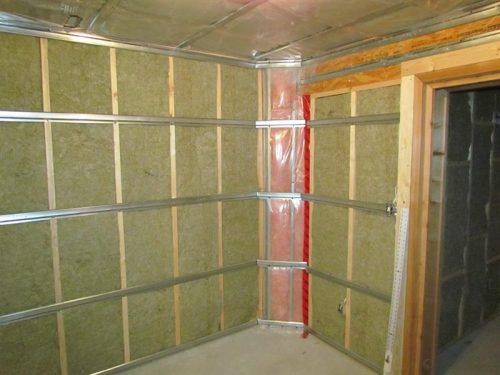
The most used and recommended by the specialists, while at the same time the most efficient is the plastering of the walls with plasterboards and mineral wool.
You can use the wallpaper as the finishing because it offers the warmth of the room and contributes, to a small extent, to its sound and thermal insulation.
The plasterboard boards can also be used successfully for the ceiling, following the same procedure. In the case of noise coming from the neighbors from above, or if you live on the top floor and in the winter, your house loses the heat, this will be very helpful, providing you with a hard-to-reach comfort by other methods.
If you do not consider yourself a specialist in the field or you have no abilities in this area, then call to a specialized company and you will be confident that the job will be successful, avoiding the unpleasantness, the loss of money and time caused by the novice’s errors.
The wood is an alternative to be taken into account. The wall covering with solid wood, natural wood, as well as wooden furniture, helps to spread the sound uniformly and correctly. Try to use more abrasive, porous materials for a better sound absorption. In studios, in general, the walls are taped with conical shaped sponges of the egg formwork type.
- Choose windows with insulating purpose
If the windows of your house are still in good condition, then you can replace the classic glass with a double one, which will provide a better sound protection of the house. Basically, there are two windows between which there is dehydrated air. This principle is the basis of the insulating windows. If you choose to change the windows only, then carefully check the windows woodwork because a frail window may not support the weight of the double window.
Apply a layer of polyurethane foam or close all the visible holes with silicone.
The second variant, more expensive, but safer and more efficient, brings into question the PVC joinery and the insulating glass. On the UK market there are many companies, manufacturers or importers who compete in offers and promotions. Ask for the specialist’s advice and do not rush your hands on the hottest promotion on the market, as it is possible to settle for a bad company, negligent craftsmen or inappropriate products.
In most cases, however, the PVC windows have been successful and have fulfilled their role as insulators. At the same time, changing the window case is indicated, as you are sure that the area is well insulated, the polyurethane foam applied around it being a very good insulator.
Use thick and big velvet drapes. In addition to not allowing the light to enter the room, the sound is absorbed, thus contributing to the entire silencing process.
3 Do not neglect the floor
A large surface in a room is made up of a floor. Also, a lot of noise can come from neighbors living on a lower floor. If you plan to change your floor, then you are a lucky person, also if you have laminate flooring. Ideal is to apply a layer of 2 cm extruded polystyrene before installing the floor. This is a good insulator, successfully rejecting the sounds coming from both your house and your neighbor.
The laminate flooring can be easily disassembled if you decide to do this work in the descending order of its installation, that is, from the end to the beginning.
In case that the sounds are not extremely disturbing, or you can not invest in such a complex work at the moment, then it is a good idea to stick a thick layer of carpet over the floor, or to dump the carpets.
Do not use sandstone tiles or faience in any form as a finish in the rooms with a sound system or TV. The ceramic tiles will produce reverberations, giving a feeling of laughing and disturbing volume. On any kind of floor, apply a thick carpet or a wall-to-wall carpet.
How to phonic insulate your house
Are you tired of hearing even the slightest noises your neighbors are doing? Then it is time to isolate your house like a real professional. Nothing is more relaxing than living in a quiet house where there is no sound of insects. Here are some ways to isolate your house, both inside and outside, very easily and quickly.
External phonic insulation
The noise can slip through the slightest crack or imperfection of the outer walls. Also, very thin materials can quickly lead to rapid noise propagation, so take great care of them.
To figure out the noises that spread out from the outside, stop first all the electrical appliances and listen carefully to what parts make the loudest sound from outside.
Examine the walls, doors, windows, ceilings and floors. Any small cracks need to be repaired quickly. So, seal the holes and cracks around the windows and doors with polyurethane or insulating tape.
The cables and ducts which enter the house must also be well insulated with polyester or putty.
The double windows can make a huge difference in terms of external phonic insulation. Make sure that the windows are equipped with filling.
When you are designing or renovating the house, be careful that the bedrooms do not have a noise-sensitive position. Make sure that the pipes and the sanitary facilities are located away from these quiet areas.
If the highest noise comes from neighbors or traffic, plant trees or hedges around the house. These will help cushion the sound and provide you with psychological help by blocking the view of the noise sources.
Internal phonic insulation
Inside, the insulation of the ceiling with polyester is a key element for minimizing the noise. They can also improve the acoustics of any room, but it is also a good thermal insulator.
When it comes to floors or hard surfaces, such as sandstone tile or wood, they quickly propagate the smallest noise. A very simple solution to insulate them is the thicker carpets.




Reviews
There are no reviews yet.