
Service Description
Some tips when you want to paint with a roller
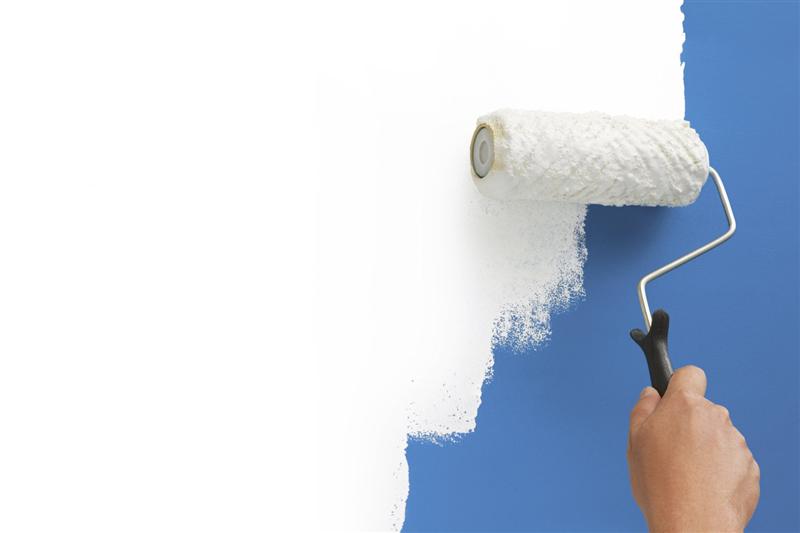
Successfully painting with a roller requires some knowledge about preparing the wall, for choosing the paint roller for the paint, and also about the correct application of the paint. However, painting with the roller is accessible to all of us and requires some certain techniques.
- Preparation of the walls and of the ceiling for painting. Start by protecting the floor of your room. For protection an adhesive will be used for door frames, frames of the windows, slats and the border area between the wall and the ceiling. The specific cracks and holes will be covered with sand with fine abrasive ruggedness. Then, the wall will be washed with water and detergent.
- Choose the suitable paint for the roller. If you choose the paint, then a foam roller or mohair roller should be used. For acrylic or mattvinyl or satin painting, you should choose long hair rollers. For an acrylic, vinyl or glycero-brilliant a foam roller will be used. For the plaster, you should choose a honeycomb type roll. For the ceiling it is recommended to use a drip roller.
- When you paint the wall you should follow the light. Start with the edges, frames and corners. Dip the roller into the paint, and then squeeze it carefully on the start grate. It is recommended to start by painting the wall exposed to natural light (for example that wall closest to the window). Painting is realised through vertical and horizontal movements. Work in a square meter and no more. Pass the roller through vacuum when you make connections between surfaces. Try to remove excess of the paint from the wall.
- Pay attention to drying the first layer of paint. Let it dry, so as it is indicated for the used paint. If you see thin lines of sand, after drying, use a soft brush to go over the edges and corners. The next step is to paint the second layer of paint.
Warm colours, cold colours and colour combinations
Every interior space needs painting, but it is not enough for it just that you like a colour and the colour will be suitable for that space.
Most of the times, when you decide to redecorate your house, your first thought goes to the colour of walls that you will have. After you browsed several magazines and sought all sorts of ingenious ideas, you make the plunge and go into a specialized shop. There, you are offered a palette that contains dozens of tabs with different shades of the same colour. All colours seem tempting, but before you choose, you should close your eyes and imagine how that colour will look on a whole wall or even in the whole room.
The real problem comes when you apply the colour on the wall. Then there are high chances that the shade will be different from the one that you saw in shop and that is because the texture that you apply the colour on, namely the plaster, is different this time as the paint itself (on paper it’s just a ink).
Because they can be cold or warm, the colours can be used to accentuate or diminish the existing atmosphere in a room. Imagine a sunny room: do you want it to look sunnier or darker? If you choose to make it sunnier, you might have the feeling that you die because of the hot temperature in it. Instead, if it is a cold room, without sun, avoid cold colours because you will have all the time the feeling that it is cold there and it will transmit you a depressing mood. So, the warm colours (yellow, orange, red) are associated with heat and cold colours (blue, green, violet) with shade and coolness.
If you’re tempted by the idea of mixing different colours in the same room, try to be also cerebral and do not change the room into a rainbow. Three colours are enough where the space is generous, but you should take into account the colour of the ceiling, walls and floor.
House Extension and Refurbishment in London.
Loft Conversion and Refurbishment in London.
House Refurbishment in London. New Build in London.
Flat Refurbishment in London. New Build in London.
Electricians and Plumbers in London. Refurbishment London.
Kitchen Furniture Fitting in London. Cleaning in London.
House Renovation and Refurbishment in London.
Office Refurbishment, Shop Refurbishment in London.
Bathroom and Kitchen Refurbishment in London.




Reviews
There are no reviews yet.